Source scanner battery for Zebra, Honeywell, and PDA devices
Explore 30 available options for scanner battery solutions compatible with Zebra, Honeywell, and PDA devices. Buyers can compare capacities ranging from 1800mAh to 4600mAh, voltages, and customization features to find the right fit.
Key considerations
Products List







Comprehensive Sourcing Guide
Strategic Sourcing Guide for Industrial Scanner Batteries
The procurement of replacement batteries for industrial handheld scanners represents a critical operational decision that directly impacts workforce productivity and data integrity. Unlike consumer electronics, where battery failure is merely an inconvenience, a power outage in a warehouse or retail environment can halt inventory tracking, disrupt order fulfillment, and compromise supply chain visibility. Buyers must approach this category with a disciplined focus on technical compatibility, regulatory compliance, and supply chain reliability. The market for scanner batteries is characterized by a diverse array of form factors, chemical compositions, and capacity ratings, requiring a nuanced understanding of the specific hardware ecosystem before placing any order.
Technical Specifications and Compatibility Verification
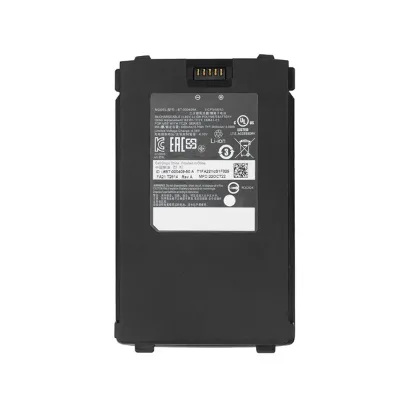
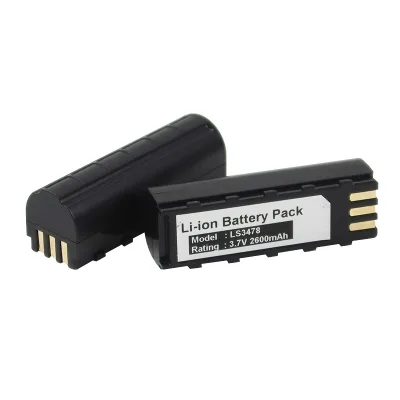
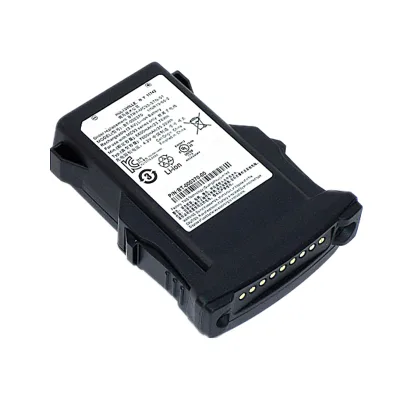
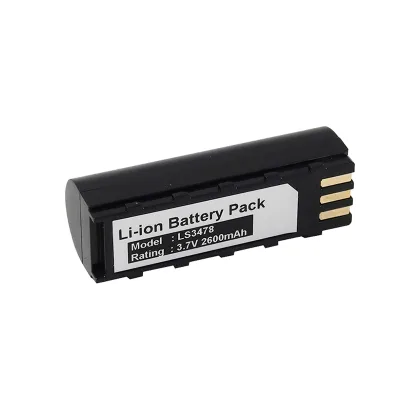
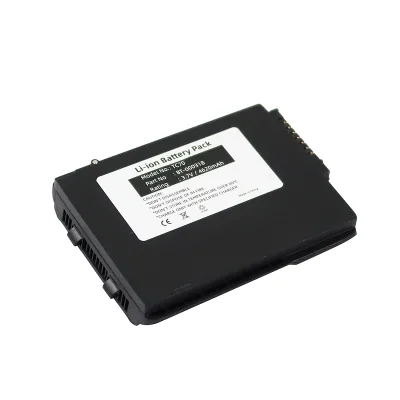
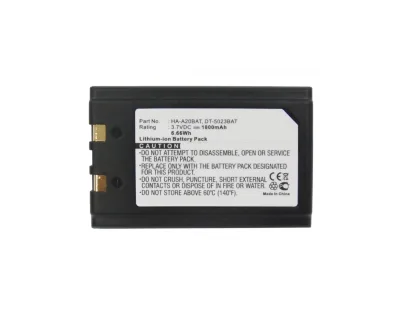
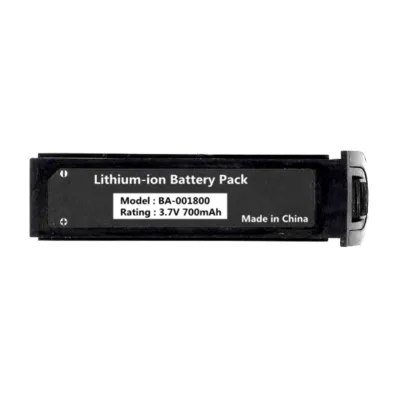
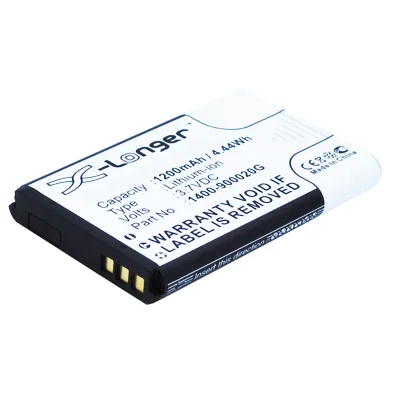
The primary challenge in sourcing scanner batteries lies in ensuring exact physical and electrical compatibility with the target device. The product landscape reveals a wide spectrum of capacities, ranging from 1800mAh to 4600mAh, depending on the specific model and application requirements. For instance, the MC70 model is associated with a capacity of 1800mAh, while the MC9590 variant supports a significantly higher 4600mAh capacity. Similarly, the MC50 and MC3090 models are linked to capacities of 3600mAh and 2600mAh respectively. These variations are not arbitrary; they reflect the power consumption profiles of the devices they serve. A buyer must verify the specific model number of their scanner, such as the Zebra DS3678, Honeywell 1202G, or Seuic AUTOID6L, to match the correct battery unit.
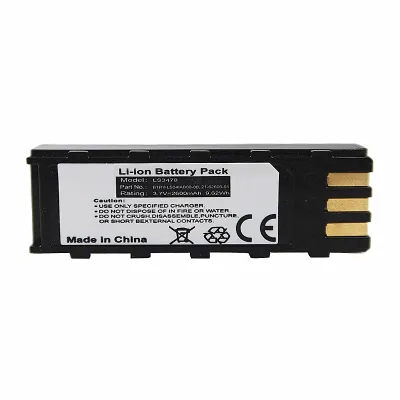
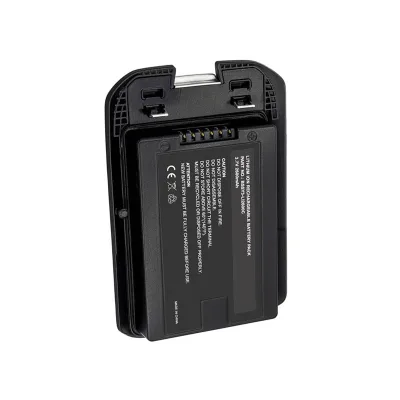
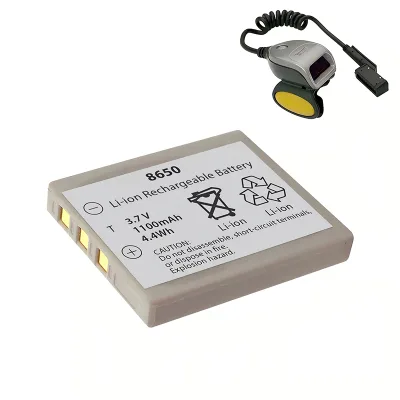
Electrical characteristics are equally critical. The standard voltage for these Li-ion battery units is consistently observed at 3.7V. However, the physical dimensions and internal architecture vary significantly. The MC70 battery, for example, adheres to a standard dimension of 80.40 x 45.30 x 22.60mm, whereas the MC9590 unit measures 76.58 x 39.50 x 21.54mm. Using a battery with incorrect dimensions can result in physical incompatibility with the scanner's battery compartment, while mismatched voltage can lead to device malfunction or safety hazards. Furthermore, the cathode material is identified as LCO (Lithium Cobalt Oxide) in the available product data, a choice that balances energy density with stability for portable devices. Buyers should not assume that a battery labeled for a generic "scanner" will fit a specific device; the model-specific identifiers, such as "Btry-36iab0e-00" or "Honeywell Battery BAT-SCN01," serve as the definitive reference points for procurement.
Compliance and Certification Standards
In the B2B environment, regulatory compliance is non-negotiable. Industrial batteries must meet rigorous safety and transportation standards to ensure they can be shipped globally and used safely in diverse environments. The supplied product data explicitly lists certifications including CE, MSDS, and UN38.3. These certifications are vital for international logistics, particularly for air freight, where UN38.3 testing is a mandatory requirement for lithium-ion batteries. The presence of these certifications indicates that the battery has undergone specific tests regarding altitude simulation, thermal cycling, and vibration resistance.
Buyers must verify that the supplier provides valid documentation for these certifications. While general standards such as UL1642, UL2054, and IEC62133 are often referenced in the broader industry context, the specific compliance status of any given batch must be confirmed through the supplier's documentation. The absence of these certifications in a product listing should be treated as a red flag, as it may indicate non-compliance with international shipping regulations or safety norms. Additionally, the warranty terms, which range from 12 to 15 months in observed listings, serve as an indirect indicator of the manufacturer's confidence in their product's adherence to quality standards. A robust warranty often correlates with stricter internal quality control processes and adherence to the cited certifications.
Cost Drivers and Pricing Dynamics
The pricing of industrial scanner batteries is influenced by a complex interplay of factors, including capacity, model specificity, and order volume. The observed market price range spans from $0.16 to $35.00 USD, a wide disparity that reflects the difference between generic replacement cells and specialized, high-capacity OEM-compatible units. The lower end of the spectrum likely corresponds to smaller capacity units or bulk generic components, while the higher end reflects specialized models like the MC9590 with 4600mAh capacity or proprietary designs for brands like Zebra and Honeywell.
Volume is a significant cost driver. The Minimum Order Quantity (MOQ) varies widely, ranging from 1 unit to 10,000 units. Suppliers offering an MOQ of 100 pieces or 500 pieces suggest a tiered pricing structure where larger orders yield better unit economics. Buyers should analyze their total cost of ownership rather than just the unit price. A cheaper battery with a shorter cycle life or a higher failure rate may incur greater costs through downtime and replacement logistics. The "Factory Supply" advantage mentioned in product attributes suggests that direct sourcing from manufacturers can reduce costs, but buyers must balance this against the risk of quality variance. Payment terms such as PayPal, TT (Telegraphic Transfer), and Western Union are common, and the financial terms should be negotiated based on the order size and the buyer's credit history with the supplier.
Typical Applications and Usage Scenarios
Scanner batteries are primarily deployed in high-throughput environments where reliability is paramount. The product data identifies applications in Consumer Electronics and Printers, but the specific model numbers point to a broader industrial use case. The DS3678, LS3600, and LS3678 models are widely used in logistics and warehousing for barcode scanning. Similarly, Honeywell scanners like the 1202G and 1902GHD are staples in retail and distribution centers. The Seuic AUTOID6L is another variant used in automated identification tasks.
In these settings, the battery must support continuous operation over long shifts. The cycle life of these batteries is observed to be over 500 times, a metric that is crucial for calculating the total cost of ownership. A battery with a higher cycle life will reduce the frequency of replacements, thereby lowering administrative overhead and minimizing the risk of equipment downtime. The condition of the battery is also a key factor; listings specify "100% Brand New," which is essential for ensuring maximum performance and safety. Reconditioned or refurbished units, while potentially cheaper, may not offer the same reliability or warranty coverage, making them less suitable for critical operational environments.
Supplier Evaluation and Quality Assurance
Selecting a reliable supplier is as important as selecting the correct product. Buyers should prioritize suppliers who offer "Factory Supply" and maintain a "Products Status" of "Stock," ensuring immediate availability and reducing lead times. The location of the supplier, often cited as Shenzhen or China, is relevant for logistics planning, as these regions are hubs for electronics manufacturing. However, the physical location should not be the sole determinant of quality.
Quality control measures should be a central part of the supplier evaluation process. Buyers should request samples to verify the physical dimensions, voltage output, and capacity before committing to a large order. The "Customization" availability noted in the product attributes is a significant advantage for buyers with unique requirements, such as specific packaging needs (e.g., White Box or Factory Neutral Package) or branding requirements (OEM Package). However, customization should not come at the expense of core quality standards. The supplier's ability to provide detailed product specifications, including the exact model number and capacity, is a strong indicator of their professionalism and reliability.
Long-Term Procurement Considerations
Sourcing scanner batteries is not a one-time transaction but a long-term partnership that requires ongoing management. Buyers should consider the warranty terms, which range from 12 to 15 months, as a baseline for supplier accountability. A longer warranty period often indicates a more robust product and a supplier willing to stand behind their quality. Additionally, the availability of spare parts and the ease of replacement should be factored into the procurement strategy.
The "Standard Packing" and "Same as original" specifications suggest that suppliers are capable of replicating the original equipment manufacturer (OEM) packaging, which can be important for brand consistency and ease of inventory management. Buyers should also monitor the market for changes in standards and certifications, as regulatory requirements can evolve. Maintaining a relationship with a supplier who can adapt to these changes and provide updated compliance documentation is essential for long-term success. Finally, buyers should establish clear communication channels for handling defects or returns, ensuring that any issues are resolved quickly to minimize operational disruption.
Summary of Key Product Attributes
To assist buyers in making informed decisions, the following table summarizes the key attributes observed in the current market for scanner batteries. This comparison highlights the diversity in capacity, model, and packaging options available.
| Attribute Category | Observed Values |
|---|---|
| Voltage | 3.7V |
| Capacity Range | 1800mAh to 4600mAh |
| Common Models | MC70, MC9590, MC50, MC3090, MC35, MC9000, DS3678, Honeywell BAT-SCN01 |
| Cathode Material | LCO |
| Cycle Life | Over 500 times |
| Warranty Period | 12 to 15 Months |
| MOQ Range | 1 to 10,000 units |
| Certifications | CE, MSDS, UN38.3 |
| Packing Options | White Box, Factory Neutral Package, OEM Package, Standard Packing |
| Condition | 100% Brand New |
| Origin | Shenzhen, China |
By adhering to these guidelines and focusing on the specific technical and compliance requirements outlined above, buyers can navigate the complex landscape of industrial scanner battery procurement with confidence. The goal is to secure a supply chain that ensures operational continuity, safety, and cost-effectiveness for the organization.
FAQs
What is the standard voltage for these Li-ion scanner batteries?
The standard voltage for these Li-ion scanner batteries is consistently 3.7V. This electrical characteristic ensures compatibility with most industrial handheld scanners, but buyers must verify the specific model requirements to avoid device malfunction or safety hazards during operation.
Which certifications are required for shipping lithium-ion batteries globally?
Required certifications for global shipping include CE, MSDS, and UN38.3. These documents verify that the battery has passed altitude simulation, thermal cycling, and vibration resistance tests, which are mandatory for air freight and ensure compliance with international safety regulations.
How does the capacity vary across different scanner battery models?
Capacity varies significantly by model, ranging from 1800mAh for the MC70 to 4600mAh for the MC9590. Buyers must match the specific capacity to their device model, such as the MC50 or Honeywell units, to ensure optimal power performance and operational continuity.
Can buyers customize the packaging for their industrial scanner batteries?
Yes, customization is available for packaging options like White Box, Factory Neutral Package, or OEM Package. This flexibility allows buyers to meet specific branding or inventory management needs while maintaining the standard of 100% brand new product condition.
What is the typical cycle life for these industrial scanner batteries?
The typical cycle life for these industrial scanner batteries is over 500 times. This metric is crucial for calculating total cost of ownership, as a higher cycle life reduces the frequency of replacements and minimizes equipment downtime in high-throughput environments.
Which cathode material is used in the available scanner battery products?
The available scanner battery products use LCO, or Lithium Cobalt Oxide, as the cathode material. This choice balances energy density with stability for portable devices, ensuring reliable performance in consumer electronics and industrial printer applications.